A large-scale randomized evaluation studying how social franchising can strengthen childcare markets in Kenya's informal settlements.

978
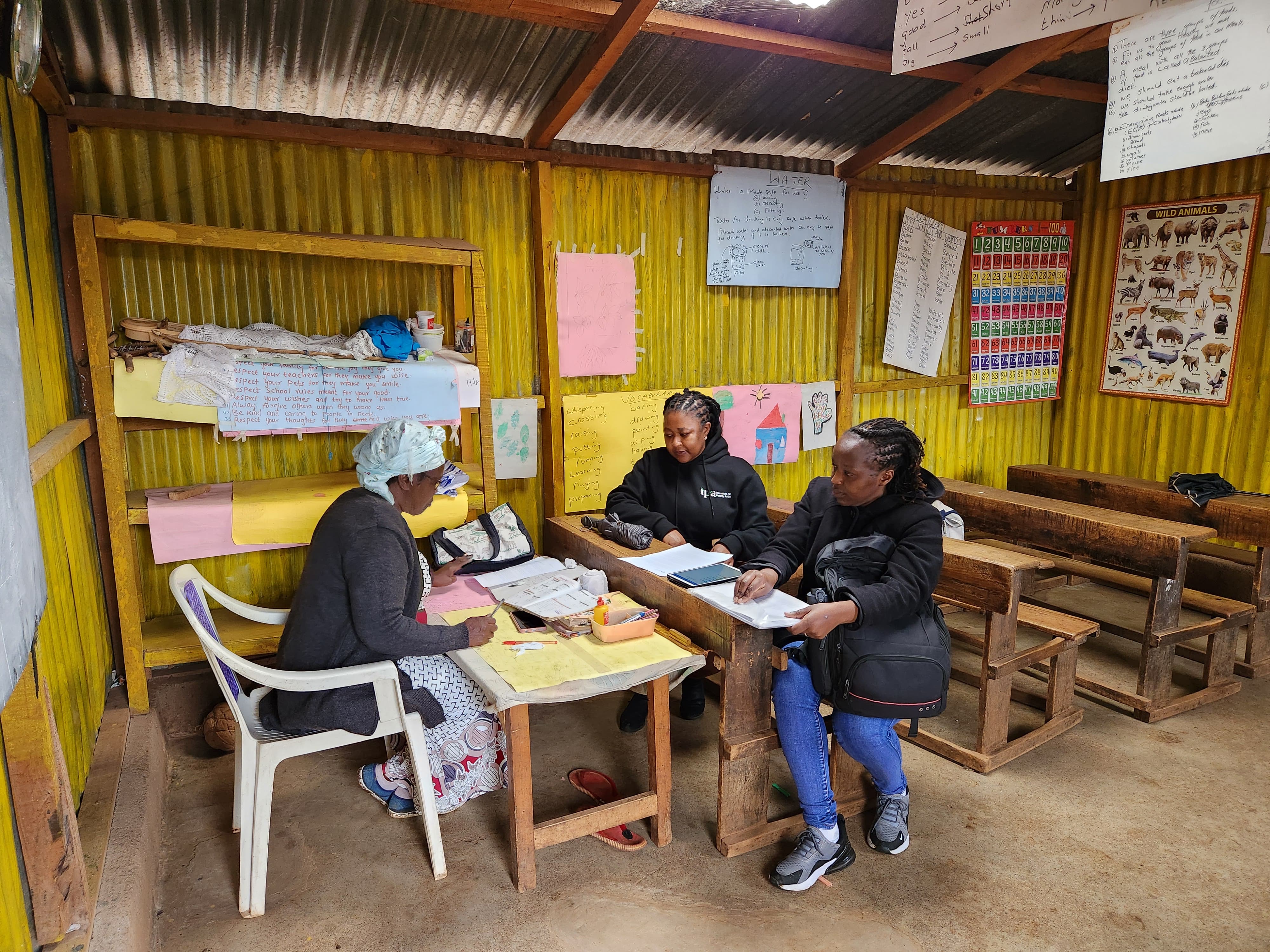
Daycare providers surveyed
2,800+
Households with young children
51
Communities across 11 counties

A childcare market stuck at low quality and low prices

Access to high-quality paid childcare is central to advancing women's economic and social agency while also promoting child development. But in Kenya's informal settlements, the childcare market sits at an equilibrium of low prices and low quality — where parents have limited willingness to pay and profitability is low. The market isn't fixing itself because quality is hard to observe and providers lack support to improve.

44%
of daycares report having no toys or books for children — facilities with limited resources for stimulation or cognitive development.
22%
of daycares administer medicine to calm children during care.
$37
average monthly earnings for non-school caregivers — well below Kenya's minimum wage.
Prices do not reliably signal quality — the market exhibits classic "lemons" dynamics
Parents systematically overestimate quality, especially on less observable dimensions

Source: QuiCK baseline survey, 2024 (working paper in progress)

The Triple Win

Improving childcare quality creates a virtuous cycle — better outcomes for providers, parents, and children simultaneously.

Parents

When childcare quality improves, parents — especially mothers — may gain the confidence and freedom to work more consistently, expand their labor force participation, and pursue steadier income-generating opportunities. Access to reliable childcare can change what kinds of work are feasible.

Children

Higher-quality care has the potential to benefit children through improved feeding, better sanitation, more stimulation, and structured learning activities. The study examines whether these changes translate into measurable gains in child health and development.

Providers

Training, mentorship, and franchise branding are designed to help daycare owners professionalize their businesses, attract more families, and strengthen stability. The study tests whether these supports can improve sustainability in a low-margin market.

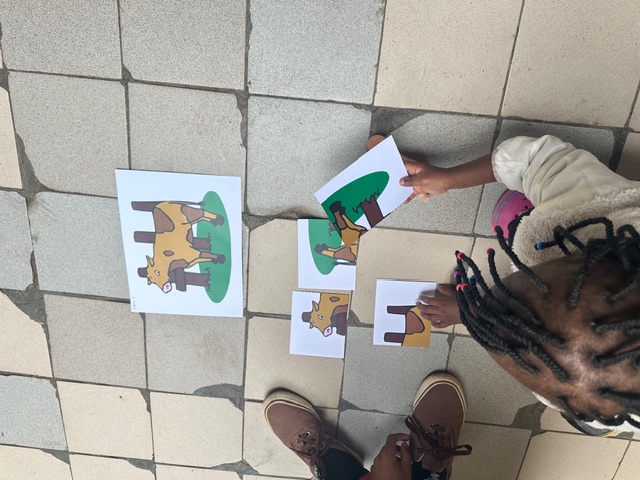
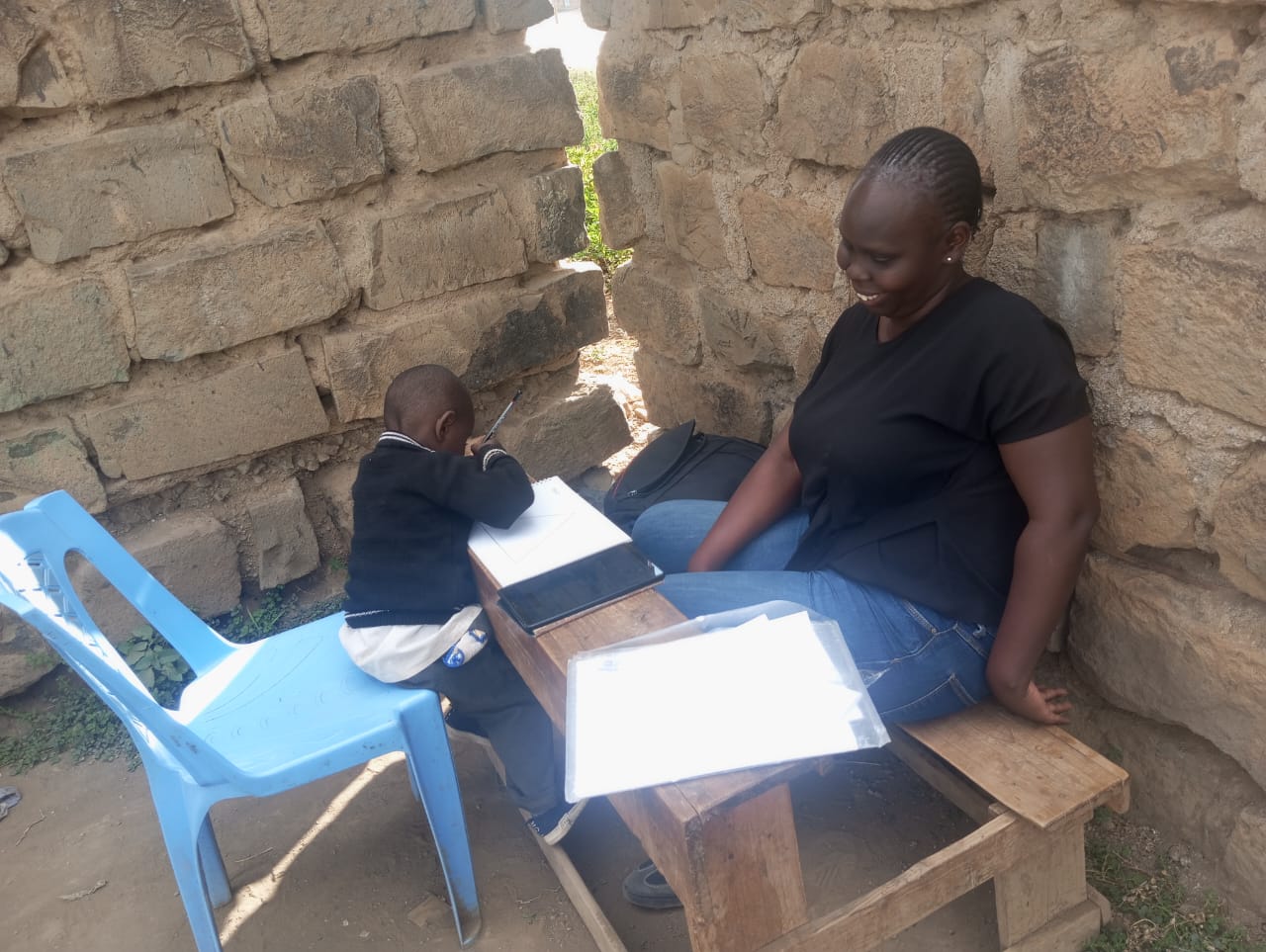
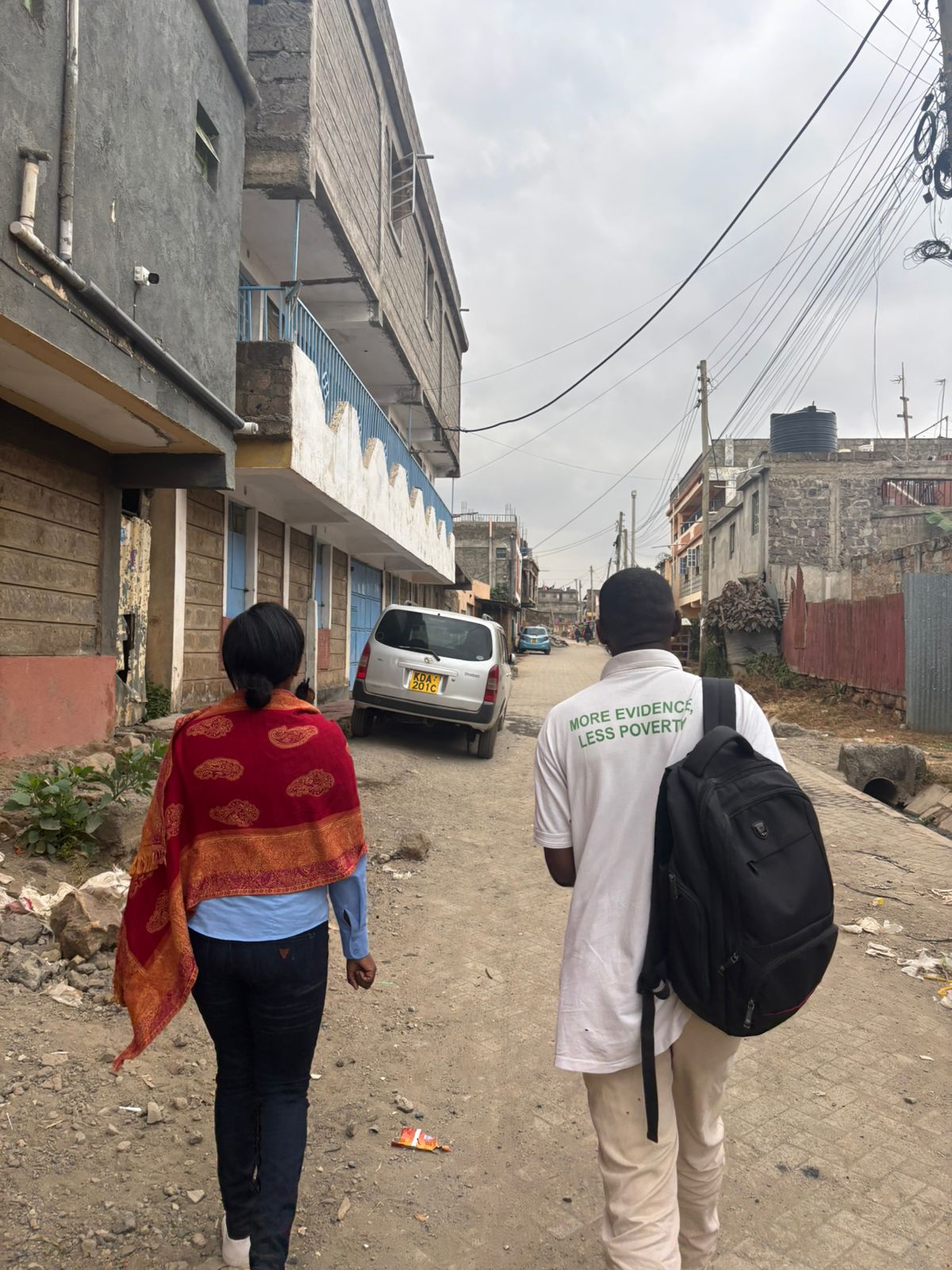
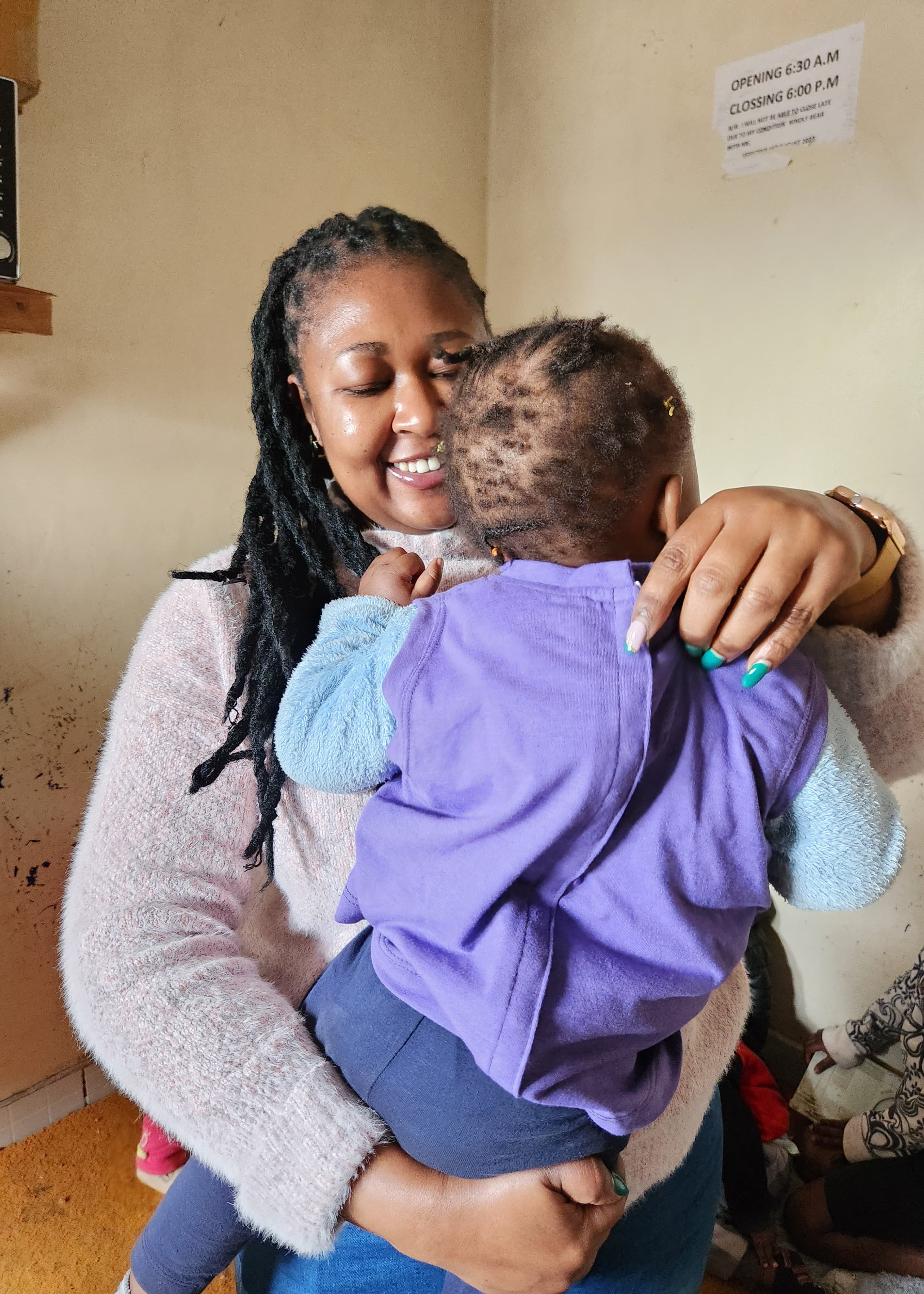
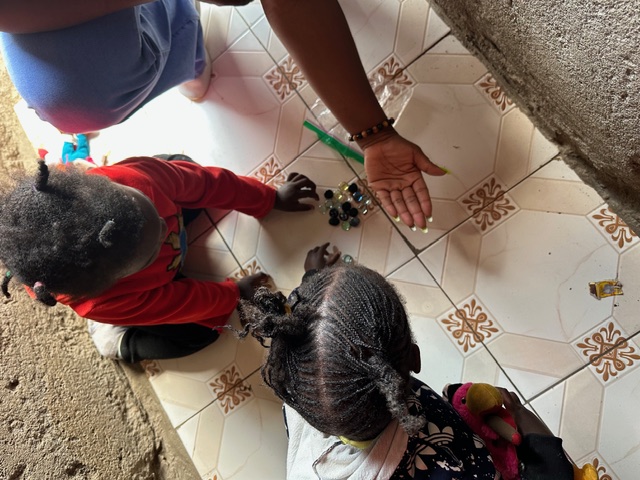
Children playing with beads Child working on puzzles Child assessment IPA fieldwork

Social franchising for childcare markets

We partner with a Kenya-based social enterprise that works with owners of existing private daycare facilities in informal settlements. The partner organization identifies communities, canvasses all eligible daycare providers, and invites them to a free, half-day workshop introducing the social franchise model.

Interested providers then participate in a three-day training covering effective early education practices, health and hygiene, and business skills. Providers who complete the program and meet quality standards become franchisees — receiving a one-time capital improvement grant (~$200), regular mentoring visits, smartphone with the partner's app, and in-kind feeding support for enrolled children.

Franchisee status signals to parents that a center meets a minimum quality standard set by the partner organization. We randomize entry into 51 communities across 11 counties to evaluate the impacts of this model on both the supply and demand sides of the childcare market.

Program Components

  • Three-day training on early education, health & hygiene, business practices, and professional development
  • Three-month mentoring program with a community-based mentor
  • One-time capital improvement grant (~$200) for safety and hygiene upgrades
  • Smartphone with the partner organization's digital tools
  • Regular delivery of fortified porridge for all enrolled children
  • Franchise branding and quality assurance upon meeting standards
Child assessment Caregiver and child Firm survey Weighing scales

Research Team

Emily Beam
Emily Beam
Principal Investigator
Associate Professor, University of Vermont
Anne Fitzpatrick
Anne Fitzpatrick
Principal Investigator
Associate Professor, The Ohio State University
Maira Emy Reimão
Maira Emy Reimão
Principal Investigator
Assistant Professor, Villanova University
Miryana Vinka Dayanti
Graduate Research Assistant
The Ohio State University
Dorine Mudaki
Dorine Mudaki
Research Associate
Innovations for Poverty Action, Kenya
EK
Eunice Kioko
Associate Research Manager
Innovations for Poverty Action, Kenya
Eric Ochieng
Eric Ochieng
Research Manager
Innovations for Poverty Action, Kenya

Partners & Funders

Triple Win Initiative